Meet Our Team
.jpg)
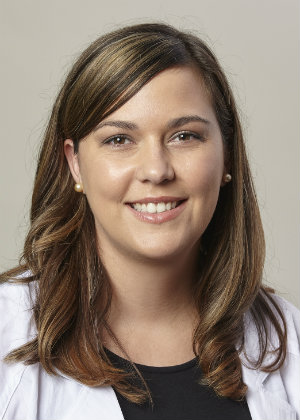
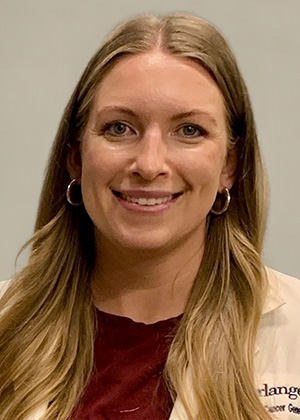
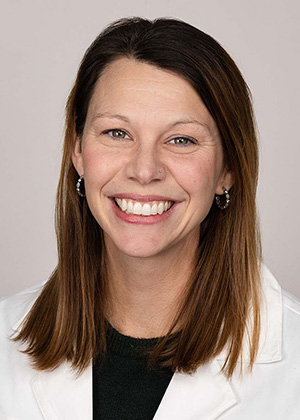

Erlanger East Hospital
1635 Gunbarrel Road
Building C, Suite 300
Chattanooga, TN 37421
The Erlanger High Risk & Cancer Genetics Program identifies and manages individuals with genetic predispositions to developing cancer, including those with an increased risk due to ancestry, family history or personal risk factors. We provide a range of diagnostic and support services including:
Cancer is a common disease with complex causes, many of which are not completely understood. Advances in cancer genetics have led to the identification of genes that, when altered, cause a significantly increased risk for certain cancers. Although most cases of cancer are not due to single, inherited gene alterations, approximately 5-10% of cancers are hereditary.
Learn how our team evaluates genetic susceptibility to cancer using the CARE app and health history. We also discuss when to pursue genetic testing and our approach to long-term follow-up.
The CARE (Comprehensive Assessment Risk and Education) Program™ offered in partnership with Ambry Genetics is a platform designed to help determine whether you are at increased risk for cancer. If you answer “yes” to any of these questions, a Cancer Risk Assessment might be helpful:
Genetic test results can potentially affect a patient’s surgical management and other treatment options. For example, a woman with newly diagnosed breast cancer who is a candidate for genetic testing may learn from her genetic test results that she is at an increased risk for a second breast cancer. This may help determine what kind of surgery is most appropriate for her current diagnosis, in order to minimize future risk.
Genetic test results showing an increased risk for certain cancers could lead to changes in a person’s cancer screening regimen. This may include performing certain screening tests more frequently and beginning at an earlier age. For example, if a person is known to have an alteration in a gene that puts them at a higher chance of colon cancer, it may be recommended that they have colonoscopies every year or two starting in young adulthood. In some cases, there may be medication or surgical options to lower the risk of cancer.
Absolutely. We actually prefer that you come to see us at our clinic so we can help you manage your specific gene mutation. We would look up the most up-to-date guidelines and make sure you're seeing the correct providers, and staying up to date on all the things that we need to do for you.